So…what is a Celebrant?
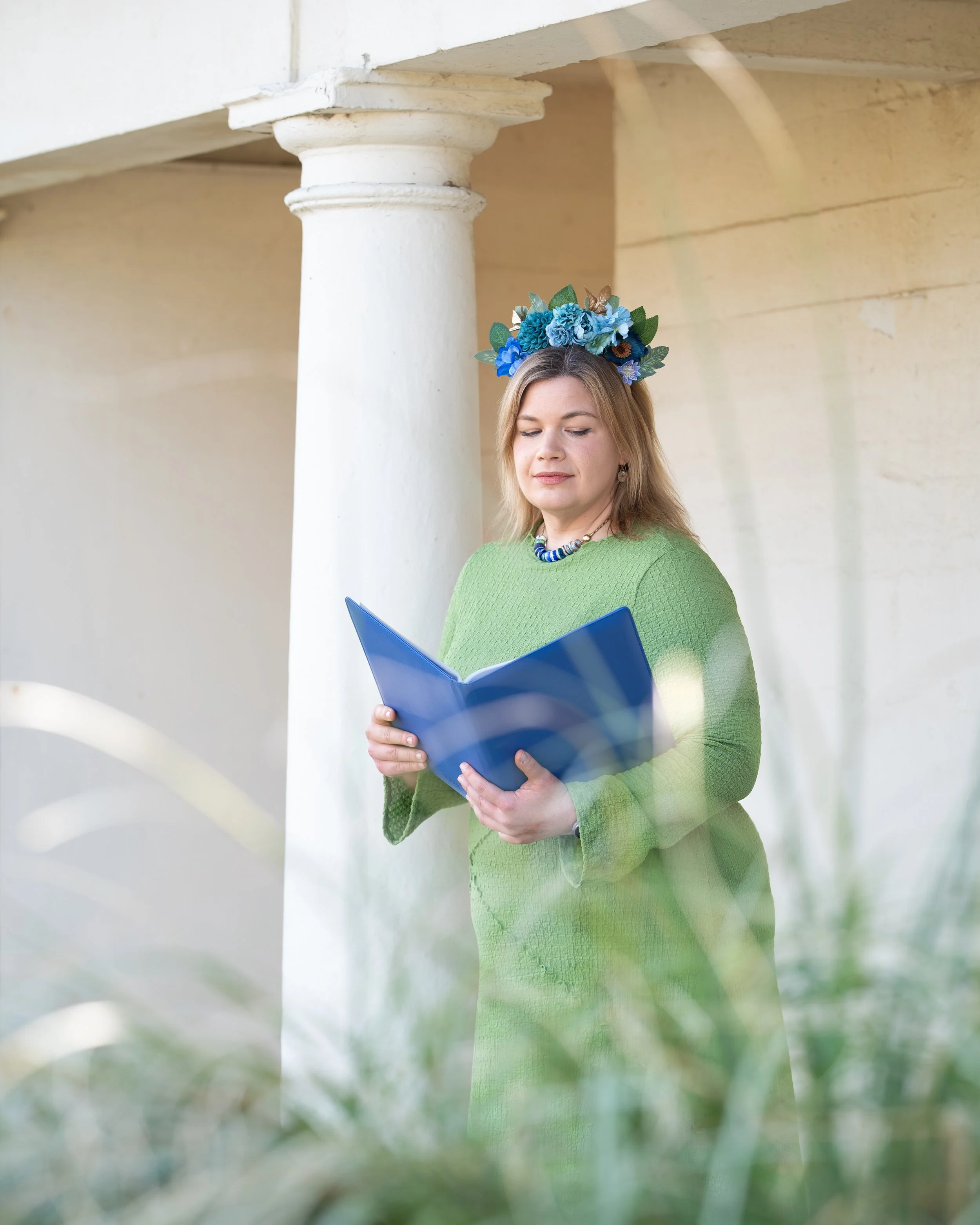
(Spoiler: we’re the people making you laugh, cry, and say “That was SO them.”)
Before the training, during the training, after the training, whenever anyone asks me what I’m up to I explain ‘Oh, I’m going to be a Celebrant!’ and I usually get a very polite-but-confused look.
“Sorry… a what?”
So let’s clear this up once and for all: what IS a celebrant?
Because if you’ve ever been to a wedding, funeral, or vow renewal and thought, “Wow! That was pretty special — who was that person?” — chances are, you’ve already seen a celebrant in action.
What Exactly Does a Celebrant Do?
In short: Celebrants create and deliver ceremonies.Ceremonies that are personal, unique, and all about the people involved.Ceremonies that make people feel seen, heard, and celebrated.
We’re talking:
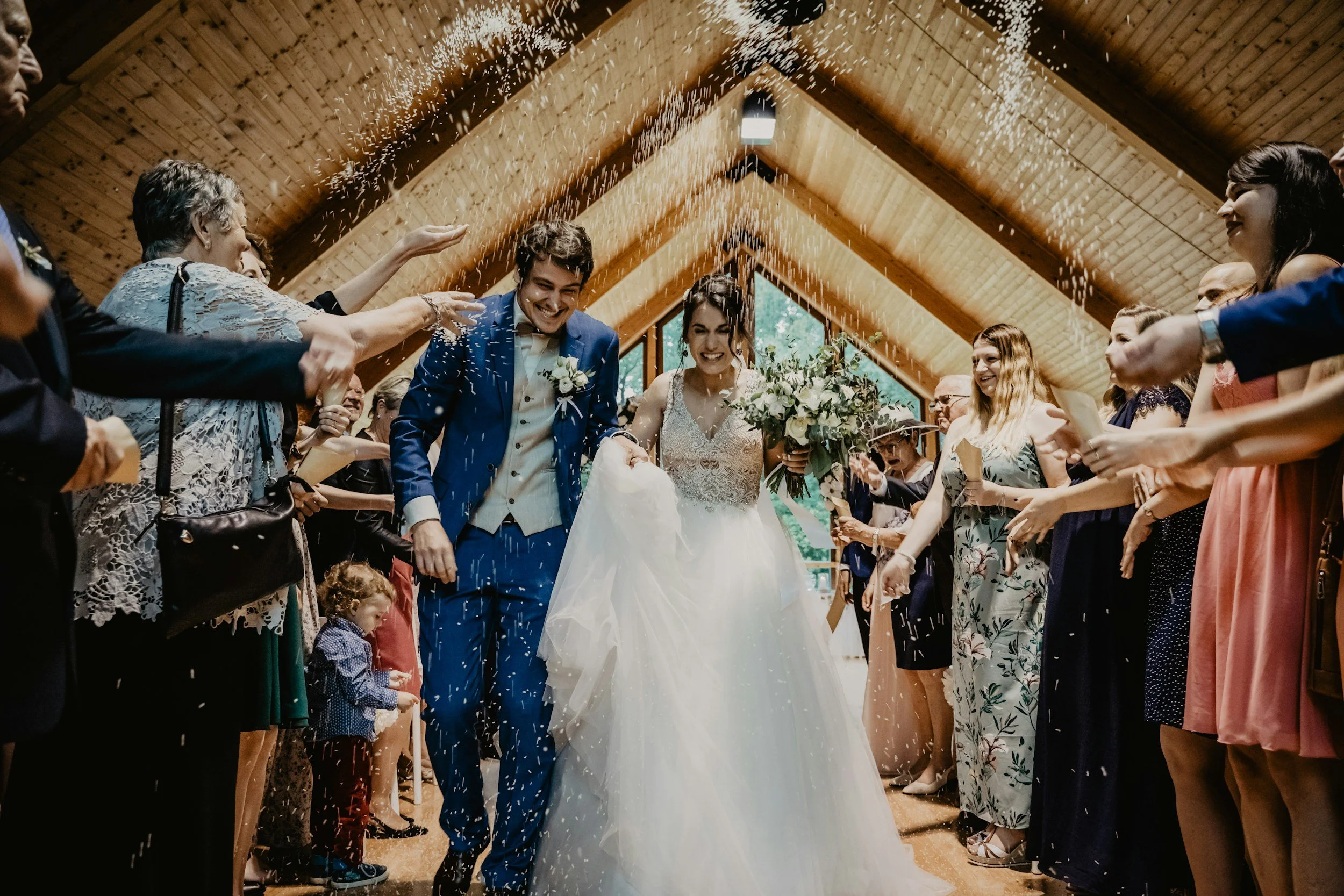
Weddings that tell a couple’s real story (from the cringy bits that make everyone roar with laughter to the poignant, heartfelt moments that bring us into the love story).
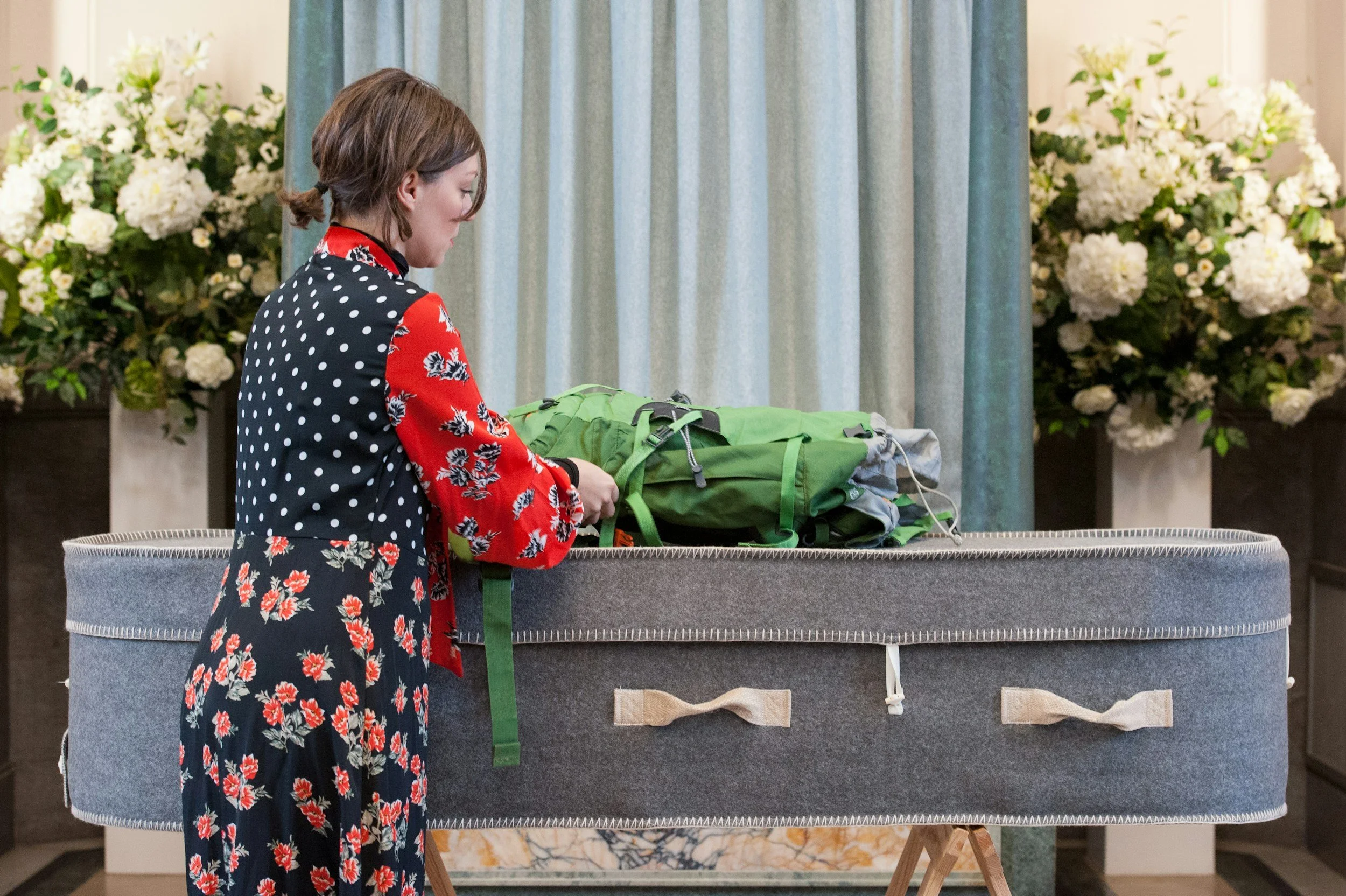
Funerals that honour who someone truly was, not just a list of dates and jobs.
Vow renewals, memorials, and other life events celebrated in a real and meaningful way.
Wedding & Funeral Celebrants write, organise, guide, hold space, and tell stories.
It’s storytelling meets performance meets people skills.
And for many of us, it’s the perfect blend.
Are Celebrants the Same as Registrars or Vicars?
Short answer: Nope.
Registrars:
Are employed by the local council
Perform legal weddings and civil ceremonies
Follow set scripts, with very limited flexibility
Usually work in licensed venues or register offices
Vicars, priests or religious officiants:
Lead religious services and rituals
Follow traditions and doctrines specific to their faith
Often tied to places of worship
Celebrants:
Work independently and write bespoke ceremonies from scratch
Include personal stories, humour, rituals, readings — whatever fits the people involved
Are not bound by legal or religious constraints (though we absolutely respect both!)
Can work anywhere — beaches, barns, forests, living rooms, football grounds…
Celebrants bring freedom. And that’s what makes this work so powerful.
So Can Celebrants Marry People Legally?
A question I get ALL the time.
In England and Wales:
Celebrants can’t legally marry you.
The legal marriage has to happen with a registrar (usually a quick office appointment).
Then couples have a celebrant-led wedding ceremony wherever, however, and whenever they want.
In Scotland and Northern Ireland, the rules are different — celebrants can be authorised to do legal marriages. (Lucky them.)
So, you might be asking, what’s the point? Why would I need a celebrant when I can just get a registrar and then go party, party, party?
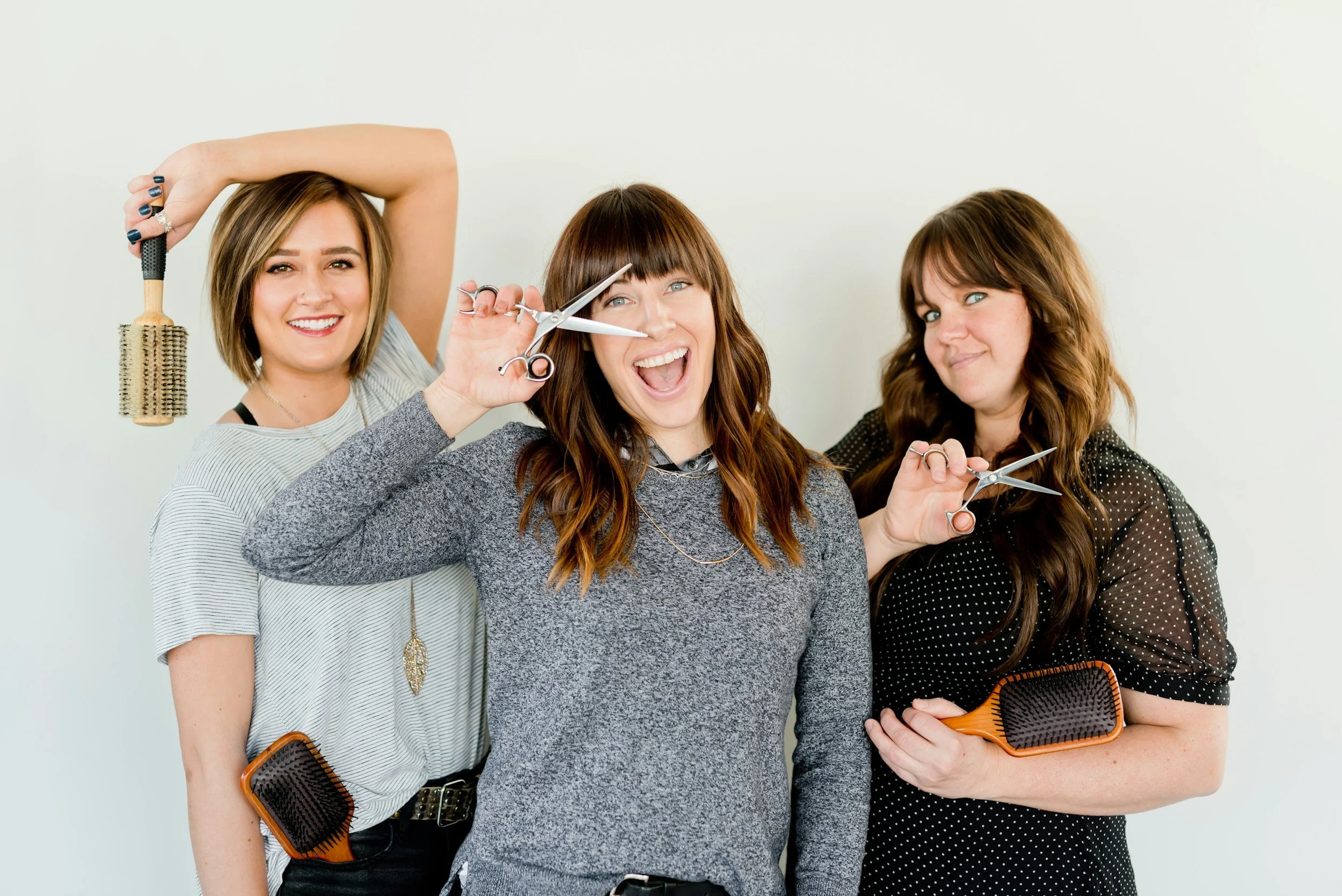
It’s a fair question. As an independent celebrant, I want to provide choice. Think about hairdressers for example. Some salons are glamorous and bedazzling. Some are barbers that will shave and wax you at the same time. (I cannot provide this service and for that I can only apologize) Some are mobile and willing to come to you. But no one is arguing that there should only be one kind of hairdresser. So there doesn’t have to be only one kind of officiant or person standing at the front, ready to perform your ceremony.
A celebrant means you can have the ceremony wherever and however you want.
What Makes a Good Celebrant?
It’s not just about having a nice voice. A good celebrant is:
A brilliant listener
A natural storyteller
Calm under pressure (like when the mic cuts out mid-ceremony)
Comfortable holding space for big emotions — laughter, grief, everything in between
Organised and professional
A great celebrant goes wherever the story needs to be told.
Want to Know More?
I’d love to chat. No hard sell — just honest info. I cannot wait to learn about you and your story
Be well!