What a Funeral Celebrant Actually Does (And why it matters more than people realise)
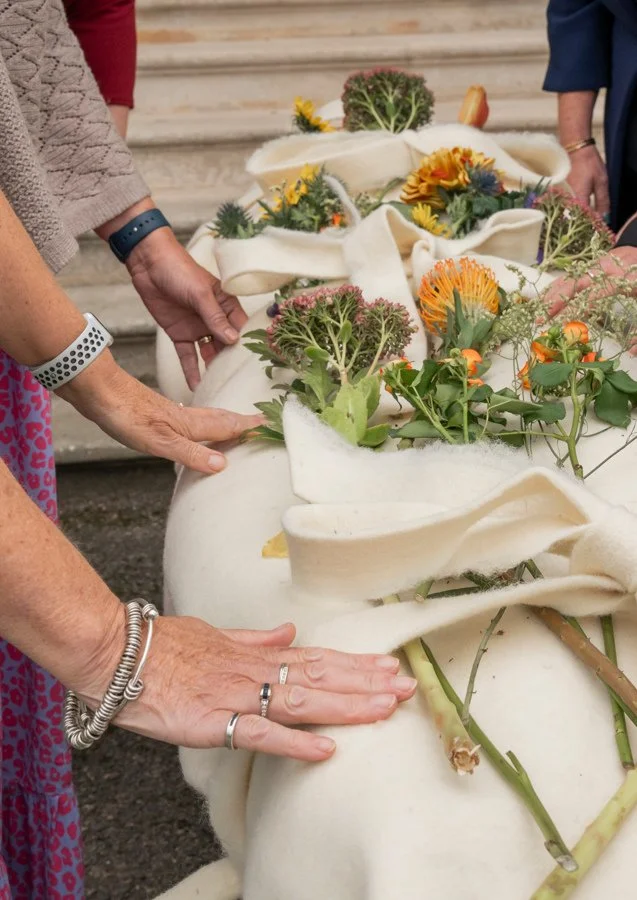
FCD cr Georgina Piper Photography
Most of us have sat through a funeral where something felt… off. A name said wrong. A script that’s clearly been dusted off from earlier in the day. Someone at the front going through the motions while the rest of us sit there thinking, this isn’t them at all.
It’s a horrible feeling — and an unkind one — especially when we’re already carrying grief.
But if you’ve ever left a funeral thinking: “That felt really personal.” or “It was like they truly knew them.” there was probably a funeral celebrant involved.
Even though celebrant‑led funerals are becoming more common in the UK, lots of people still aren’t entirely sure what a celebrant actually does. When I was at the bank earlier this week, they’d never heard of celebrants at all — and were genuinely fascinated when I explained. “What a beautiful way to make funerals more personal,” they said. And they’re right.
A Celebrant Is a Storyteller, Guide, Organiser, Writer and Calm Human in One Outfit
My job is simple at its heart: to help create and lead a ceremony that genuinely reflects the person who has died.
That starts long before the day of the funeral. It usually begins around a kitchen table, hands wrapped around warm mugs of tea, gently moving from the practical bits — timings, music, who’s speaking — into the deeper territory: “Tell me about your person. Tell me everything.”
Because every life, no matter how long or short, is a storybook full of quirks, contradictions, joy, heartbreak, silliness, courage and the tiny details that make someone unmistakably themselves. My role is to gather those stories and tell them well.
From those conversations, I begin shaping the ceremony:
the structure
the tone
the stories
the music
the moments of stillness
the funny bits
the difficult bits
the important bits
I listen closely, I ask gently, and I work hard to understand the whole person — even the complicated parts — so the ceremony feels open, honest and recognisable, with warmth threaded through it.
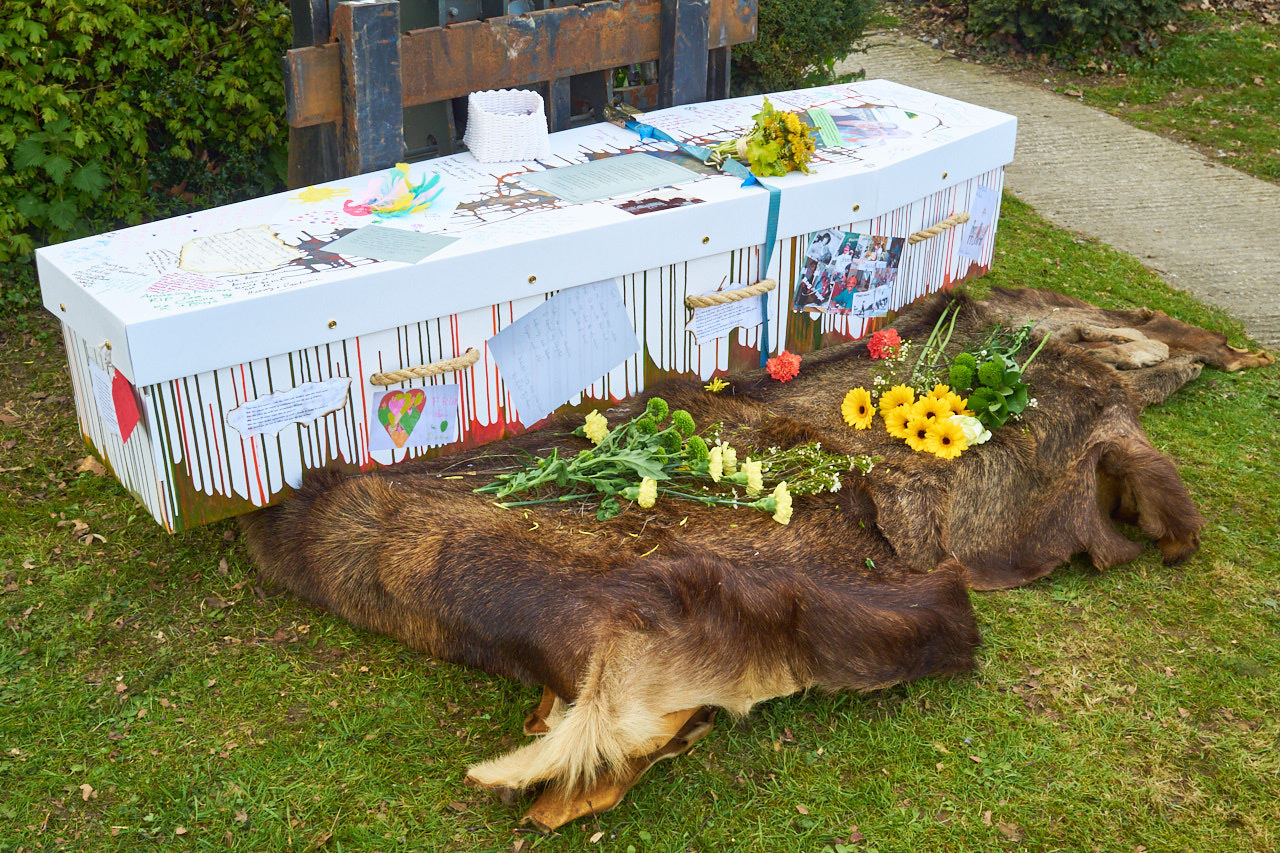
Funerals shouldn’t be a rushed timeline of edited highlights. They can be an event, a gathering, a moment that feels like them. Whether that’s a single slot at the crematorium, a knees‑up in their favourite pub, or a quiet farewell in the back garden, you have choices. And you deserve someone trained to guide you through them.
I trained with Match and Dispatch Celebrant Training, led by the award‑winning Kate and Kate Celebrants — a team who believe in empowering families, raising death literacy, and training celebrants who genuinely care about the people they serve. That ethos sits at the heart of my work.
Are Funeral Celebrants Religious?
Sometimes. Sometimes not.
Independent celebrants can lead:
completely non‑religious funerals
lightly spiritual ceremonies
funerals with hymns and prayers
highly personalised, story‑rich ceremonies
alternative or unconventional funerals
traditional funerals with a modern feel
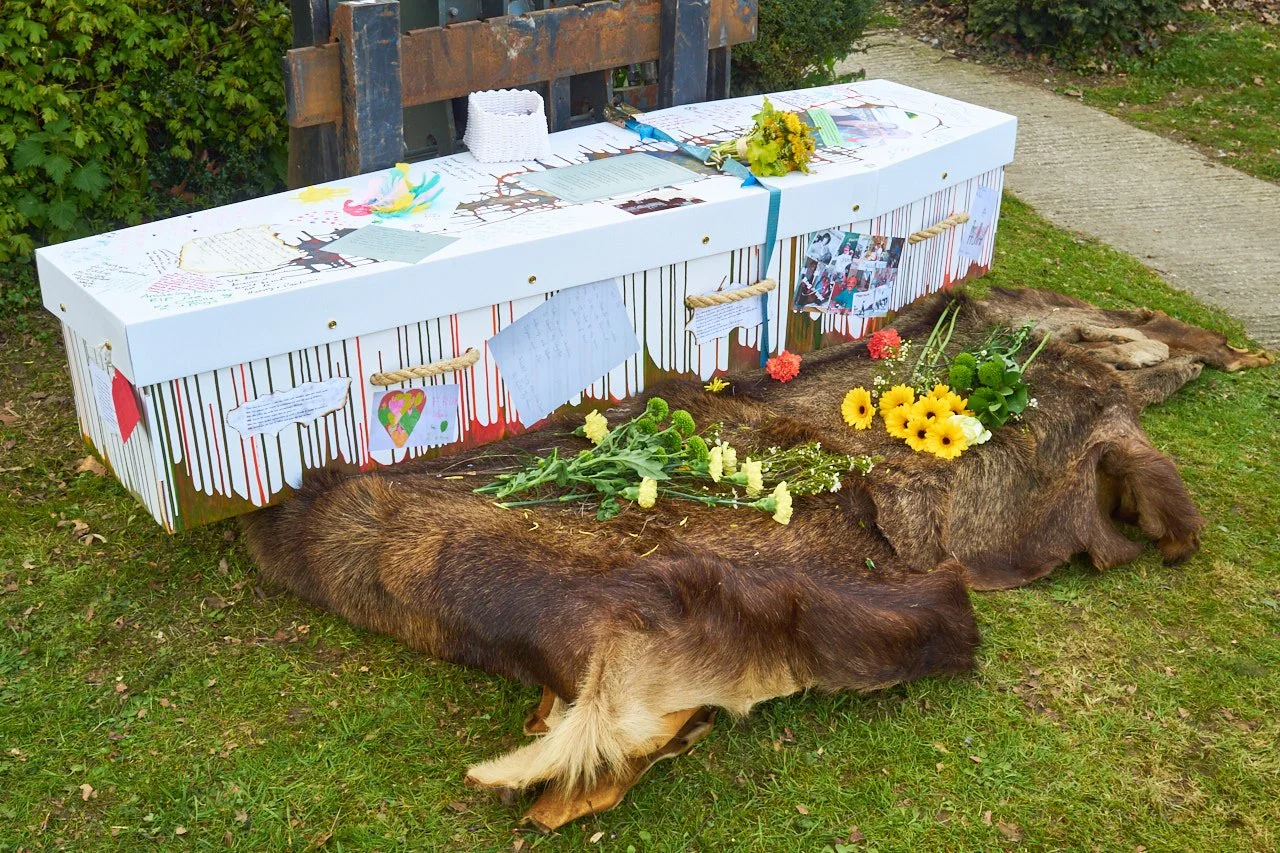
It all depends on the person who has died and the people planning the ceremony.
I grew up in a Methodist household (my dad is a retired Methodist minister) so I have a deep respect for faith and the comfort it brings. My own spirituality leans more towards the natural, the intuitive, the esoteric. So if you’re looking for a fully faith‑based, non‑secular service, I may not be the right celebrant for you. But if you want a ceremony shaped around your person — with or without elements of faith — I can help you find the right balance.
Why Celebrants like me matter
Coffin Club, the sister organisation to Match and Dispatch, was created to help people talk openly about death, understand their choices, and plan funerals that feel genuine and heartfelt. Celebrants like me are part of that shift — helping families feel supported rather than swept along. You can find information about my Coffin Club in the Bournemouth and Poole area here.
A good celebrant can help families feel:
calmer
heard
less frightened
more confident making decisions
more connected to the person who has died
Not because we have magic powers. But because being guided with care during grief truly matters.
Funerals don’t fix grief. But they do shape how we carry it.
And when a ceremony feels thoughtful, honest and unmistakably them, it can stay with people for years.
Come Say Hello
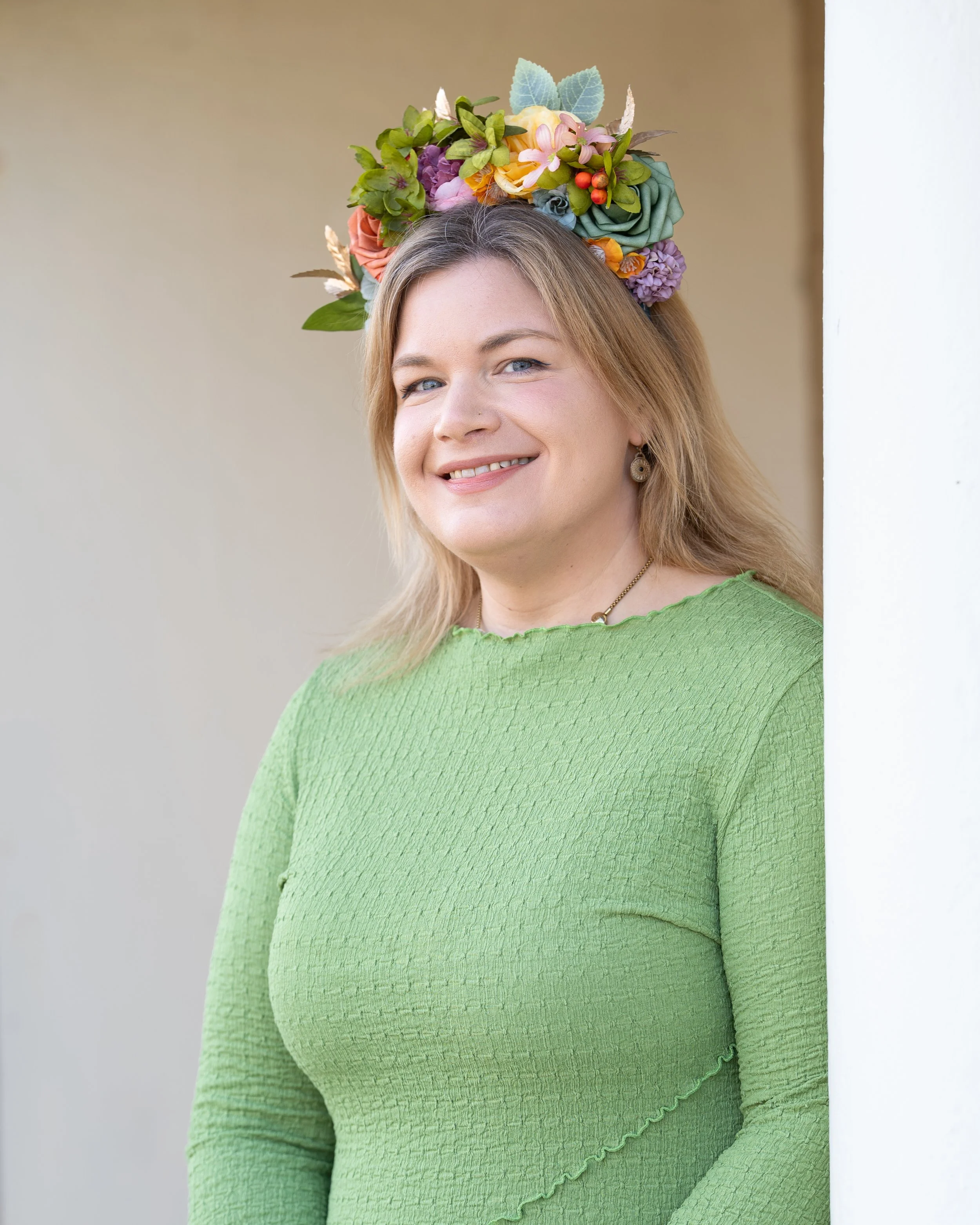
I’d really love to talk things through with you. No pressure, no sales pitch — just a calm, honest conversation about what you need and what feels right. You can bring your questions, your worries, your stories, or simply the memory of your person. I’m here to listen, to guide gently, and to help you feel a little less alone as you navigate all of this.
Be well!