Handfasting: a ritual of unity, commitment and colour
Symbolism and Ritual
Something that’s been quietly captivating me — through reading, travelling, and my celebrant training — is the long, winding history of ritual. How we all recognise certain ceremonial gestures without even thinking about them: rings slipped onto fingers, white dresses, wedding speeches, coffins, eulogies, the familiar swell of music at a funeral. These shared rituals feel universal, and yet the more I learn, the more I see how endlessly varied they are.
People are beginning to take real ownership of how they mark life’s moments. They’re experimenting, honouring their cultures, borrowing from traditions, or inventing something entirely new. It’s as if we’ve collectively stepped away from the idea that there are “proper” ways to celebrate or mourn; thank goodness for that! The old rules are loosening, and in their place is something far more human: choice, creativity, and the courage to shape a ceremony that feels true.
One of the rituals that I knew so little about before doing my celebrant training was handfasting. I don’t even think I knew what it was which just goes to show how many rituals there can be but also how few weddings and ceremonies I’d been to up until this point! I am so late to this party! But I am now fascinated by this and so for the first part of my blog series into some of the rituals I’m seeing more and more of in weddings, I thought I’d start with handfasting. A good celebrant like me can include any rituals that are important to you in your ceremony and we can do it with style and nuance so that it doesn’t just become a sequence of events or a box ticking exercise.
So what is handfasting?
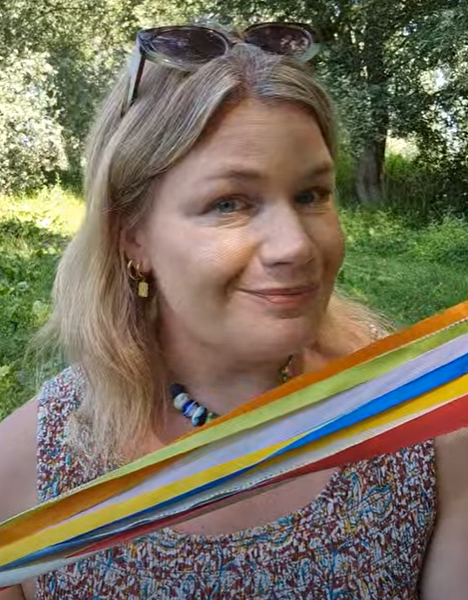
Handfasting is an ancient custom of fashioning ribbons or cords of different colours into one and using this as part of the wedding ceremony to bind the hands of the couple together, metaphorically binding them together in marriage or ‘tying the knot’. There is some debate as to whether this is really where the saying comes from but it is a very tidy link.
The term “handfasting” comes from the Old Norse word handfesta, meaning “to strike a bargain by joining hands,” and historically referred to a contract or pledge but now couples are using it more as a symbol of their unity and commitment to each other. Academics can find references to handfasting in Celtic, Pagan, Norse, Scottish, and Irish traditions from at least 2,000 years ago but it has also been found in other parts of Europe as a form of common-law marriage.
During the ceremony, the couple’s hands are wrapped or tied together with cords of various colours, each representing different promises, virtues, or intentions. The binding may be accompanied by spoken vows, blessings, or symbolic gestures, creating a deeply personal and meaningful moment. Some couples incorporate family, children, or friends into the ritual, and it can be combined with other unity ceremonies like sand or candle rituals
Colours
You can choose whatever colours speak to you, for whatever reasons matter to you. Maybe it’s the shades you’ve always loved, the colours of your home flag, the stripes of a team you’ve followed since childhood, or the ones your children or parents adore. There’s something beautiful in gathering those colours together — not because tradition tells you to, but because they carry your stories and your memories. It’s permission to weave your own palette into the moment you’re marking and let it feel unmistakably yours. There is no right or wrong as long as they mean something to you. Colours can have symbolic meanings so I have included a few below:
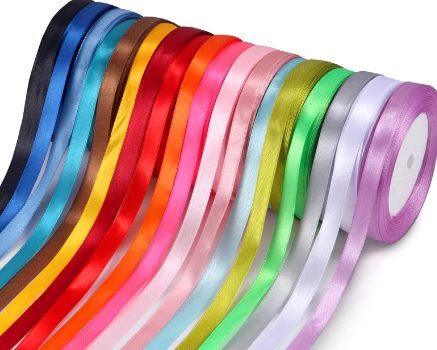
· White – the purity of your love,
· Red – the passion of your love,
· Pink – the tenderness of your love,
· Gold – wealth and prosperity,
· Silver – balance and harmony,
· Yellow – joy and celebration,
· Orange – warmth and creativity,
· Green – growth and hope,
· Blue – tranquility and clarity,
· Purple – wisdom and balance,
· Brown – dependable and grounded,
· Black – security and mystery
Modern Practice
Just a reminder that though it is a beautiful and symbolic addition to a wedding, it does not replace the legal requirements for marriage; Couples still need a licensed official — like a registrar — to conduct a legal wedding ceremony in a licensed venue such as a registry office. It’s a strange and frustrating situation, especially when you consider how personal and meaningful a wedding can be. But this might not be the case for much longer. The government is currently consulting on wedding law reform, and one of the proposed changes could allow independent celebrants like me to hold licences ourselves.
If that happens, couples won’t have to split their day in two: a quick legal ceremony with a registrar, followed by the ceremony they actually want with a celebrant, a handfasting, or any other ritual or cultural element that feels true to them.
And just to be clear — a registry office ceremony cannot include a handfasting or any ritual, religious, spiritual or symbolic elements. That’s why reform matters. It opens the door for couples to have one ceremony that is both legally recognised and deeply personal, rather than having to compromise or duplicate the moment.
If you want to help and give your opinions on wedding law reform you can find the link to the government consultation here (you don’t have to answer every section): Tying the Knot: Reforming weddings law in England and Wales - GOV.UK
Next week’s post will be on candles in ceremonies and, in the meantime, if you want to know more you can check out my Insta @elizabeththedorsetcelebrant where I’m posting about the colour symbolism of hand fasting.
These moments don’t need to be grand.
They just need to mean something to you.
And if you know you’d like to include something but aren’t sure how, or you’ve got lots of ideas and want to shape them into something simpler, or even if you know exactly what you want but not quite where it belongs — that’s where I come in. I’ll help you find the right place for it.
A great celebrant like me knows how to:
Help you pick the rituals that symbolize your stories,
Explain it beautifully, without turning it into a GCSE drama piece,
Weave it into your ceremony so it feels like part of the story, not a random intermission,
I read the room with care — knowing when to bring a little brightness, when to soften the moment, and how to let each shift in tone land exactly where it needs to.
Be well!